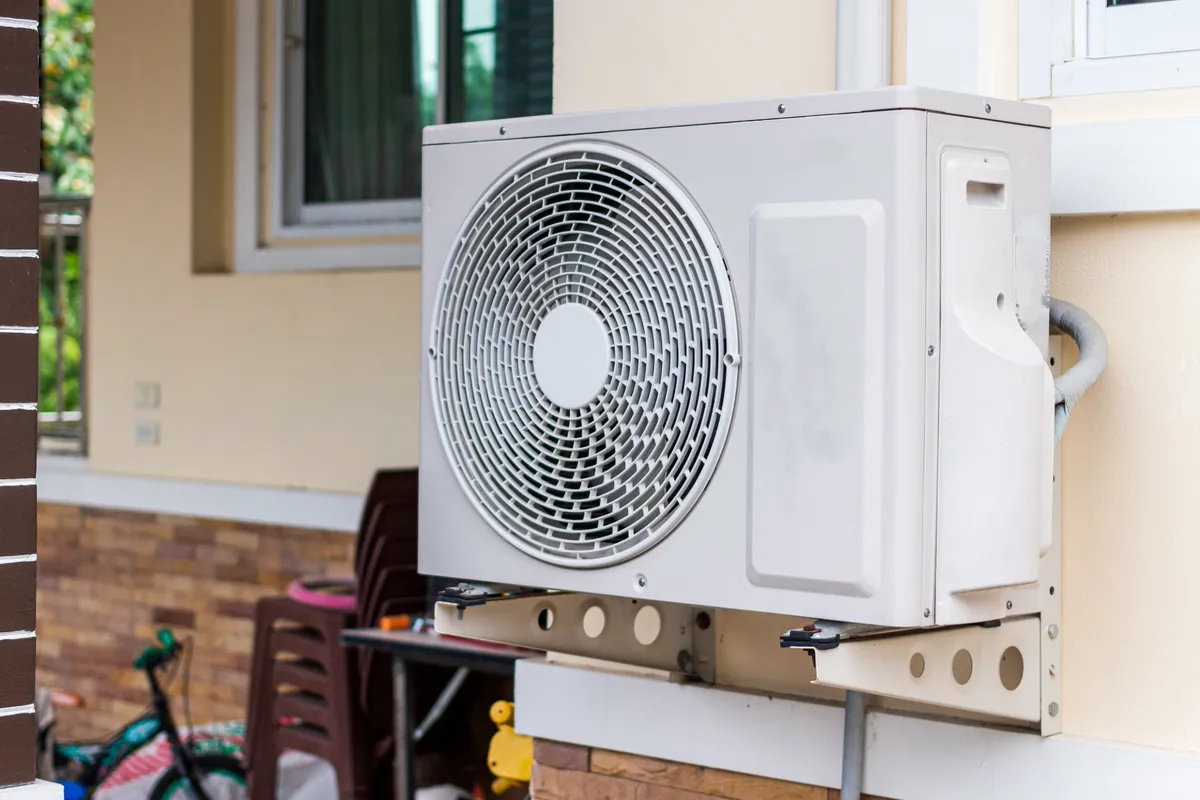
Request heat pump repair & installation for a property in Richmond Hill. Include the equipment, the problem or planned work, and your location so the request can be reviewed.
Does the heat pump fail in heating, cooling, or both modes, and what does the indoor system do?
A heat pump that does not heat or cool as expected, cycles unusually, or makes a new noise needs an assessment based on its operating mode and system design. Heating and cooling complaints can involve controls, airflow, defrost operation, electrical components, or the refrigerant circuit. Repair and installation are distinct requests: a confirmed fault may be repairable, while a replacement assessment considers the property’s heating and cooling loads and the existing distribution system. Describe the symptom and when it occurs.
Assessment considers operating mode, thermostat calls, airflow, system controls, and indications from the defrost and refrigerant systems. The cause of poor heating can differ from the cause of poor cooling, and backup heat may affect observed operation. For replacement, load calculations, electrical requirements, duct or indoor-unit compatibility, and any backup-heating arrangement help define the system and installation scope.
Heating- and cooling-mode faults, including defrost and control operation.
Electrical, airflow, and refrigerant-circuit repair diagnosis.
Replacement load assessment and compatibility with distribution and backup heat.
Assessment and Scope
Questions for the Proposed Work
01
Diagnose operation in the affected mode
A heat pump’s symptoms should be assessed in the mode where they occur. A heating complaint may involve defrost controls or auxiliary heat, while a cooling complaint can point toward different airflow, electrical, or refrigerant-circuit issues. Unusual cycling or noise adds useful diagnostic evidence. Internal electrical components and refrigerant circuits require qualified assessment; observed thermostat settings and the timing of the symptom can help describe the problem.
02
Repair only after confirming the fault
A contactor or control fault is a different repair from a refrigerant leak or compressor problem, and inspection findings determine which applies. The assessment should identify the confirmed issue and consider equipment condition, repair history, and component availability. A maintenance inspection is not a repair and cannot establish that a suspected fault is resolved. Manufacturer instructions and observed condition should guide maintenance rather than an automatic service procedure.
03
Size a replacement for the property and system
Replacement assessment begins with heating and cooling loads, not simply the rating of the existing unit. Ductwork, indoor-unit arrangement, electrical capacity, controls, and any backup heat affect equipment selection and installation scope. The system’s intended operating modes and compatibility with existing distribution should be documented. Comparing these requirements with the existing equipment helps clarify whether replacement is appropriate and what changes may be needed.
Compare the next step
Ask for a written description of heating duties across the retained and new systems. Define supplementary heat, changeover conditions, distribution, and control ownership. Compare the proposed operating strategy with the household objective rather than assume adding a heat pump automatically coordinates the other appliances already installed.
Cold-climate capability does not prove that one model covers every home heating load. Ask how the selected equipment and supplementary heat meet the actual design requirements.